 Image 1 of 2
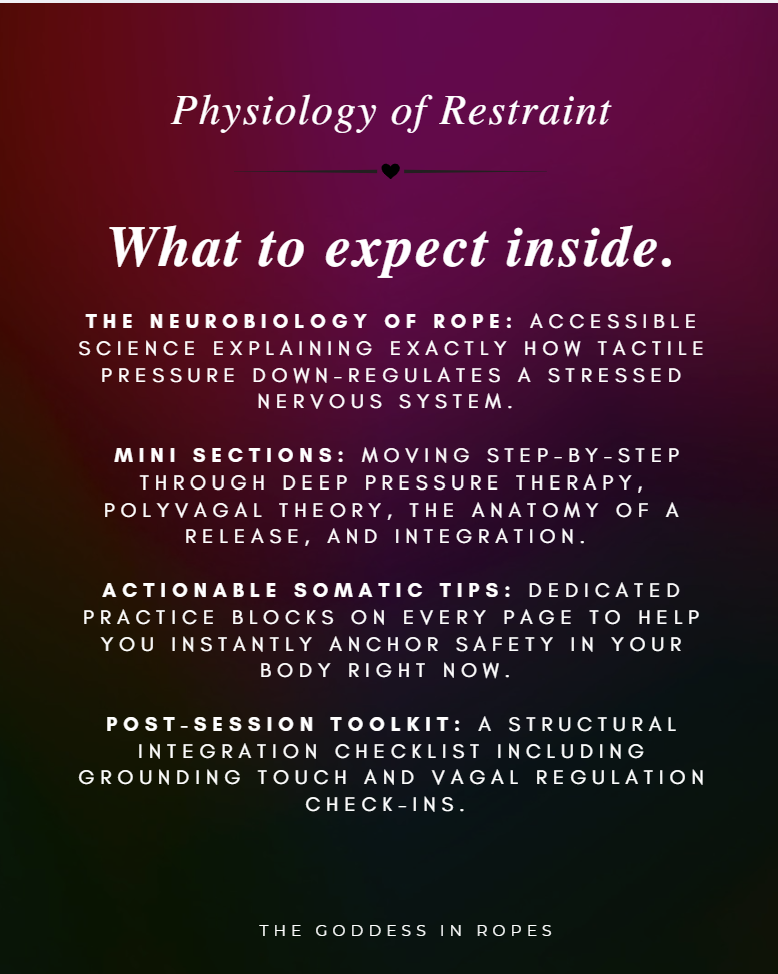 Image 2 of 2
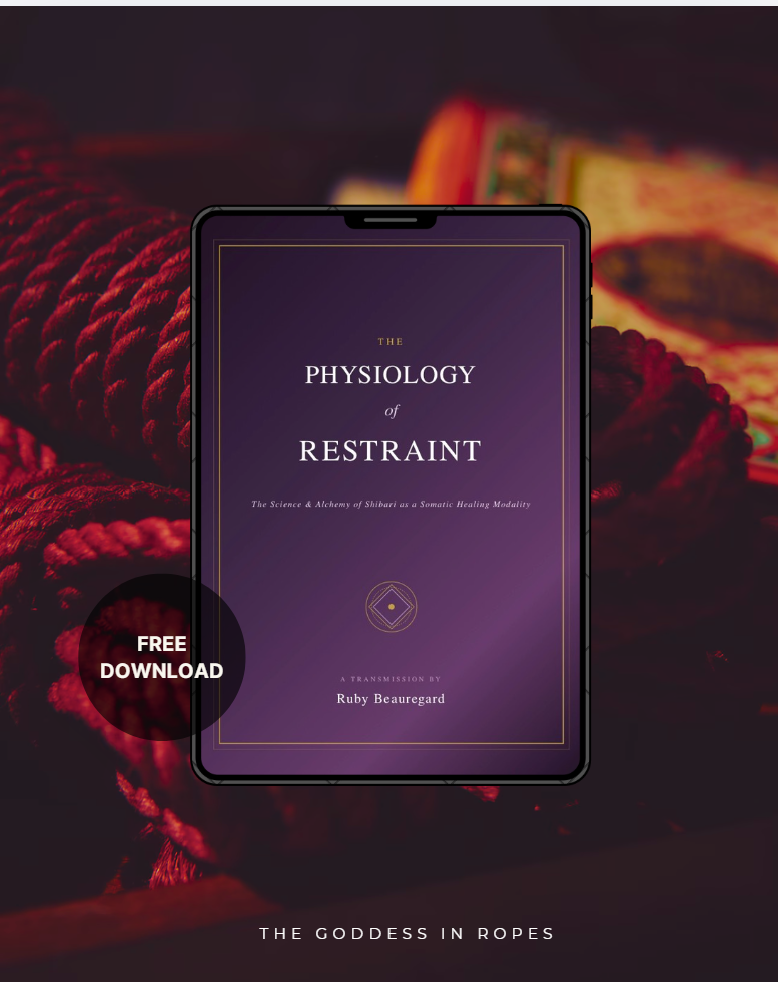
An intentional, 10-page exploration into the inner landscape of restraint, nervous system regulation, and deep psychological surrender.
Restraint is far more than physical rope on skin—it is a portal into the subcortical mind, emotion, and trust. When we step into a tie, our nervous system undergoes a profound shift. Understanding the psychological dynamics of tension, vulnerability, and surrender allows both the rigger and the tied to move beyond simple mechanics and enter a space of true somatic safety.
The Psychology of Restraint is an essential digital guide created for practitioners who want to understand why rope affects us so deeply—and how to navigate the psychological and emotional currents of every session with intention and care.
1. The Nervous System & Rope: How restraint interacts with the autonomic nervous system, fight-or-flight responses, and somatic grounding techniques.
2. The Psychology of Surrender: Navigating control, vulnerability, and creating the psychological containment needed for deep letting go.
3. Emotional Regulation & Sub-Space: Understanding the chemical and psychological shifts during a tie, including managing drop, float, and emotional release.
4. The Dynamics of Power & Presence: Cultivating grounded authority as a rigger and agency as a tied partner through felt-sense communication.
5. Shadow Work & Boundary Mapping: Uncovering subconscious triggers, identifying true internal "yes/no" signals, and holding safe emotional space.
6. Somatic Integration & Aftercare: Psychological debriefing protocols, nervous system down-regulation, and integrating the experience post-session.
Format: High-resolution digital PDF download (A4 / Printable)
Pages: 10 structured, earth-toned modules
Best For: Self-tie practitioners, riggers, partners, and somatic facilitators looking to deepen their psychological and emotional understanding of rope.
An intentional, 10-page exploration into the inner landscape of restraint, nervous system regulation, and deep psychological surrender.
Restraint is far more than physical rope on skin—it is a portal into the subcortical mind, emotion, and trust. When we step into a tie, our nervous system undergoes a profound shift. Understanding the psychological dynamics of tension, vulnerability, and surrender allows both the rigger and the tied to move beyond simple mechanics and enter a space of true somatic safety.
The Psychology of Restraint is an essential digital guide created for practitioners who want to understand why rope affects us so deeply—and how to navigate the psychological and emotional currents of every session with intention and care.
1. The Nervous System & Rope: How restraint interacts with the autonomic nervous system, fight-or-flight responses, and somatic grounding techniques.
2. The Psychology of Surrender: Navigating control, vulnerability, and creating the psychological containment needed for deep letting go.
3. Emotional Regulation & Sub-Space: Understanding the chemical and psychological shifts during a tie, including managing drop, float, and emotional release.
4. The Dynamics of Power & Presence: Cultivating grounded authority as a rigger and agency as a tied partner through felt-sense communication.
5. Shadow Work & Boundary Mapping: Uncovering subconscious triggers, identifying true internal "yes/no" signals, and holding safe emotional space.
6. Somatic Integration & Aftercare: Psychological debriefing protocols, nervous system down-regulation, and integrating the experience post-session.
Format: High-resolution digital PDF download (A4 / Printable)
Pages: 10 structured, earth-toned modules
Best For: Self-tie practitioners, riggers, partners, and somatic facilitators looking to deepen their psychological and emotional understanding of rope.